Review
Tokyo Story (1953)
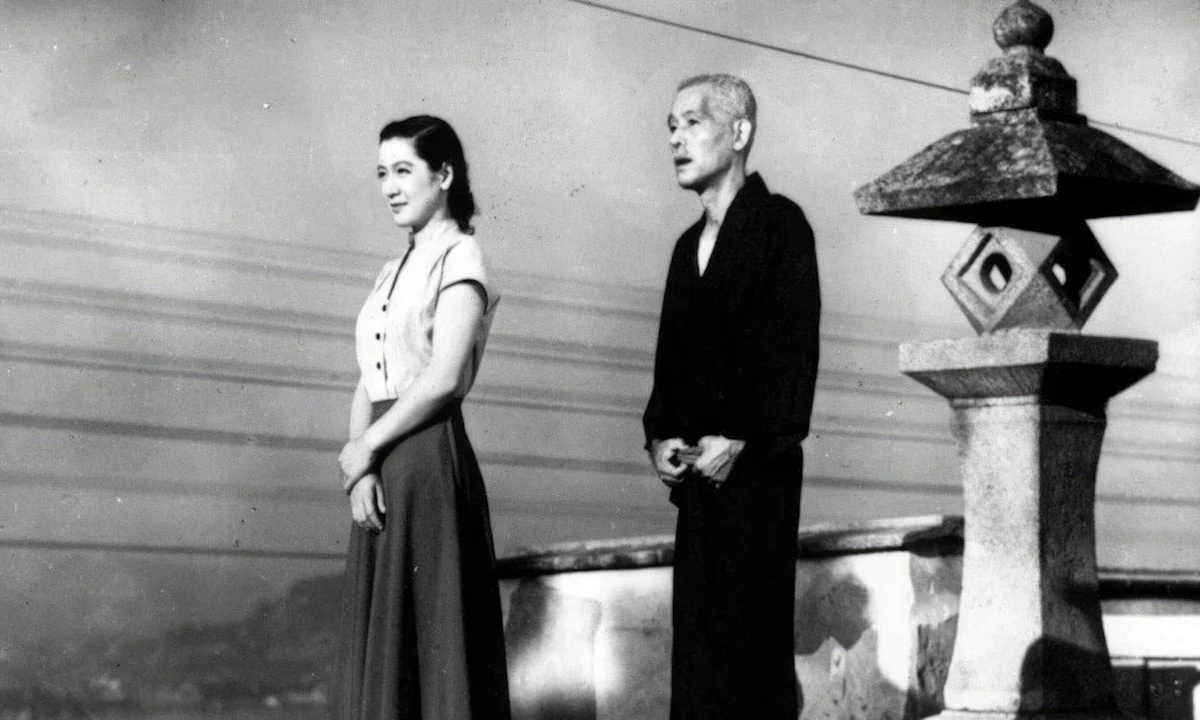
This is kind of an oddball flick, which we saw as part of the Nuart's CineInsomnia series (Japanese month!). It doesn't start anyone I've ever heard of and I'm unfamiliar with the director's oeuvre, and it's a low-key slice-of-Postwar-Japanese-life.
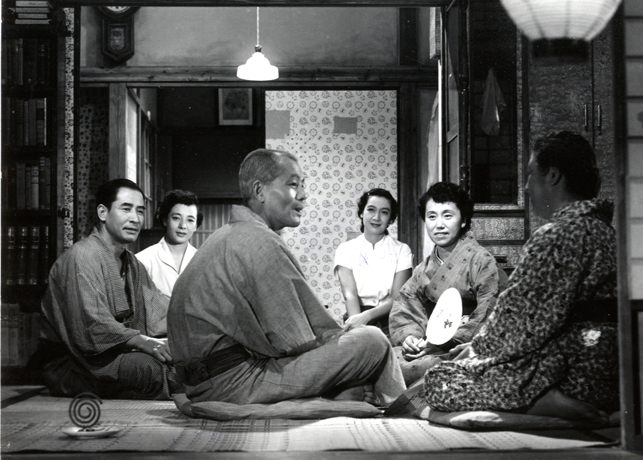
As a statistical oddity, it is listed on IMDB as the #220th greatest film of all time—so it's no Project Hail Mary—and the director's highest rated film, Late Spring, doesn't rank at all somehow, but then you were probably told there would be no math.
I enjoyed this more than The Boy, I think primarily because I'm older. But it's of a kind with the M. Hulot movies, like Playtime (1967) and Mon Oncle: The world changed after the war, and there was a distinct nostalgia for the pre-war era.
In this case, the nostalgia is more about manners. Our elderly couple are hicks, coming from the farm (and complete with hick accents, translated to subtitles) and their children by-and-large view them as a burden. Not really disrespectfully (except for one daughter) but sort of a reverse Cat's-In-The-Cradle thing.
The one who treats them the best is actually their widowed daughter-in-law. She bends over backwards for her in-laws, reveres their (late) son, and has never remarried.
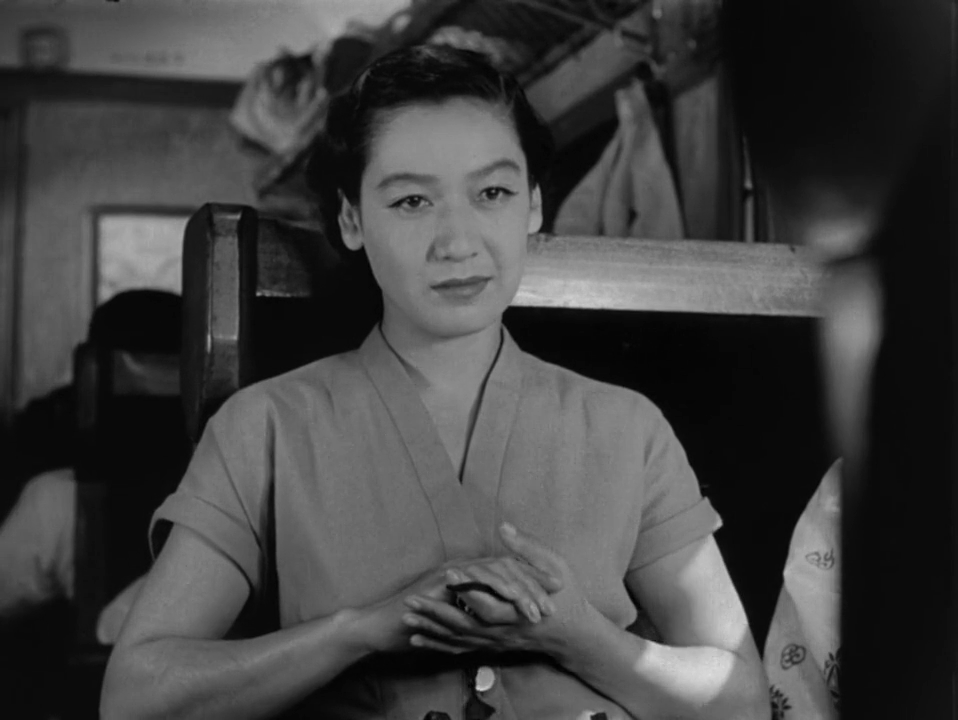
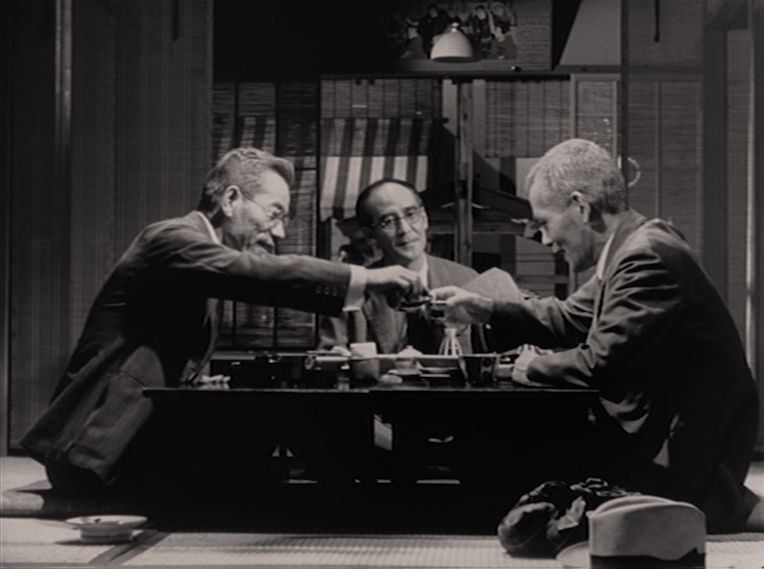
But things are much more complex than that, as we discover as her kindness creates a tenderness in their hearts, and they exhort her to marry again, and—well, there's just something kid of fascinating, because this is a family drama story, but in such a mannered environment that things come out like "Oh, yes, men get drunk and beat their wives, and it's a shame, would you like some more tea?"
Even so, a lot of the cultural details were probably lost on us, or at least had less impact, as we are loud, obnoxious Americans. But we were both glad to have seen it—despite the 2:17 runtime—and I have a desire to see it again.
I haven't talked much about the cinematic aspects of it: As a slice-of-life there aren't a lot of special effects, but the blocking is kind of fascinating, and was in itself kind of revelatory about the characters' relationships with each other. Even it felt distinctly Japanese. That may be another reason I really liked it: Just like Howard Hawks liked a movie when you could tell "Who the Devil made it" I like moves when you can tell "What the Devil country it's from."
I haven't talked much about the cinematic aspects of it: As a slice-of-life there aren't a lot of special effects, but the blocking is kind of fascinating, and was in itself kind of revelatory about the characters' relationships with each other. Even it felt distinctly Japanese. That may be another reason I really liked it: Just like Howard Hawks liked a movie when you could tell "Who the Devil made it" I like moves when you can tell "What the Devil country it's from."
Comments
Testing the comment system!